Many beginners to self custody are at risk of making expensive mistakes due to lack of knowledge.
Although I’ve covered best practices at length, I want to write about the most common misconceptions beginners have regarding cold storage.
If you’re new around here, this post might save you hundreds of thousands down the line.
1) “The Coins Are On The Device”
The most common misconception is that your money is stored on the device itself.
This is not true.
Unlike the name suggests, the device is not a “wallet” as per the definition we use in the real world.
A hardware wallet is a device that stores your private keys in an offline environment.
Your balances are on the blockchain, not on some device or on any application on your phone or laptop. The hardware wallet just allows you to control an account.
For more details, see my post on why I don’t like the term hardware wallet and I suggest an alternative and technically correct name: signing device.
2) “I’m Afraid I’ll Lose My Wallet”
Losing your wallet doesn’t automatically grant access to your funds to anyone that finds it.
All hardware wallets are PIN/password protected and most have self-destruct functionality that does a factory reset after X wrong unlock attempts. This is true for BitBox, Keystone Pro, Trezor, Ledger, etc.
So if you lose your device, it’s not the same as losing a physical wallet with cash inside.
You’ll just be inconvenienced a bit to buy a new one and restore it using your seed phrase.
Your money is waiting for you there.
3) “What If [Insert Company] Goes Bankrupt?”
Let’s say you have a hardware wallet from a company and it stops being supported.
Or the company goes bankrupt. Or your device malfunctions and they don’t deliver to your country anymore.
No problem!
This is where the BIP-39 standard comes into play. Most industry standard hardware wallets can be restored using your seed phrase.
That’s why BIP-39 compatibility is one of my 10 Hardware Wallet Requirements and I’m not even considering other solutions, regardless of how secure they claim they are.
Portability is important, period.
So if you have wallet X and it breaks and the company goes bankrupt, just buy a hardware wallet from another manufacturer and restore your account there.
Of course, you can also access your accounts through a software wallet. It’s less secure, but still possible.
4) “I Have a Digital Copy, Just in Case”
First of all, I’ll state that using a hardware wallet is definitely more secure than a software wallet.
However, if people know what they’re doing and choose to use an app to manage their keys, that’s okay.
But “having a digital copy, just in case” is not knowing what you’re doing.
Namely, the only protection that your hardware wallet has on top of software wallets is that your seed phrase will never be exposed to a device connected to the internet. So it’s additional protection from keyloggers, clipboard monitor malware, someone getting access to your PC, programs that can read browser extensions’ information, etc.
Again, I have no issues with people deciding to manage their keys online.
But the question becomes: why did you buy a hardware wallet in the first place?
You’re basically throwing away the only benefit it has over downloading Exodus and using it on your laptop.
TLDR Keep your keys offline or don’t waste money on a hardware wallet.
5) “I’ll Migrate My Hot Wallet on a HW For Extra Security”
After you’ve read the fourth point, it’s clear why this makes no sense.
But I’ve talked with people that wanted to buy a hardware wallet, just to initialize it with an existing seed phrase from their hot wallet.
Their reasoning is that they won’t have to send their assets to a new address and that they’ll delete the old app, using only the HW going forward.
This is wrong and n00b behavior. It misses the core principle and benefit of cold storage:
Never exposing data to a device connected to the internet.
In their case, the seed phrase generated on the phone/laptop was “seen” by the gods of the interwebz.
There is a way, or at least a technical possibility, your private keys to be accessed by a bad actor.
Again, if you plan to use your hot wallet seed phrase, why did you buy a hardware wallet?
Closing Thoughts
Choosing to self custody and starting to accumulate is a journey in itself.
The next step to master is prudent seed phrase management. That’s your only responsibility if you decide to become “your own bank”.
So make it right.
If you want to read more on this topic, I recommend checking out my posts from the Self Custody and Security category.
Author
-

D. Petkovski
📓 The Author Husband & Father
Software Engineer StrengthCentric
 ₿itcoin Hodler Long-Term Investor
🌍 Everything Enthusiast 🔥 Optimist

 Husband & Father
  Software Engineer


Related posts:
 Introduction to Hardware Wallets (Cold Storage for Beginners)
 Cold Wallet vs. Hot Wallet (Hardware & Software Wallets)
 Review of the Keystone 3 Pro Hardware Wallet
 Recover Accounts on Different Hardware Wallet
 10 Requirements: Choose a Good Hardware Wallet
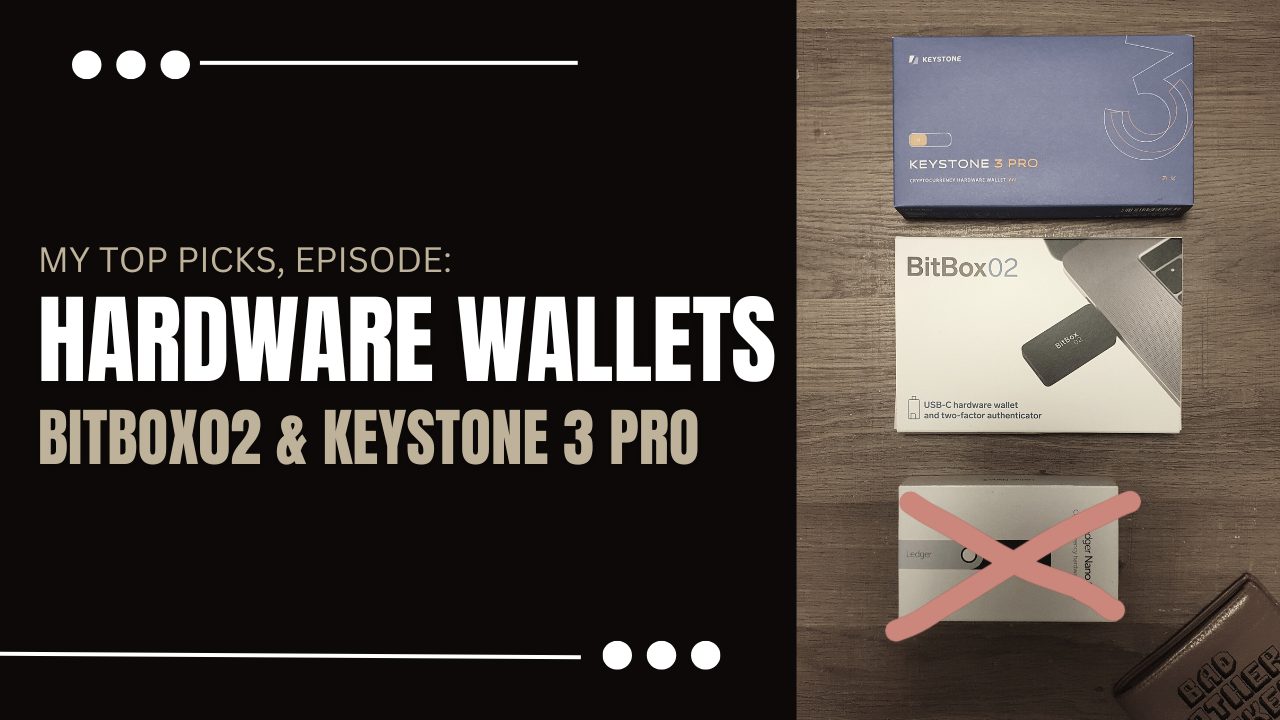 My Hardware Wallet Recommendations: BitBox02 & Keystone 3 Pro
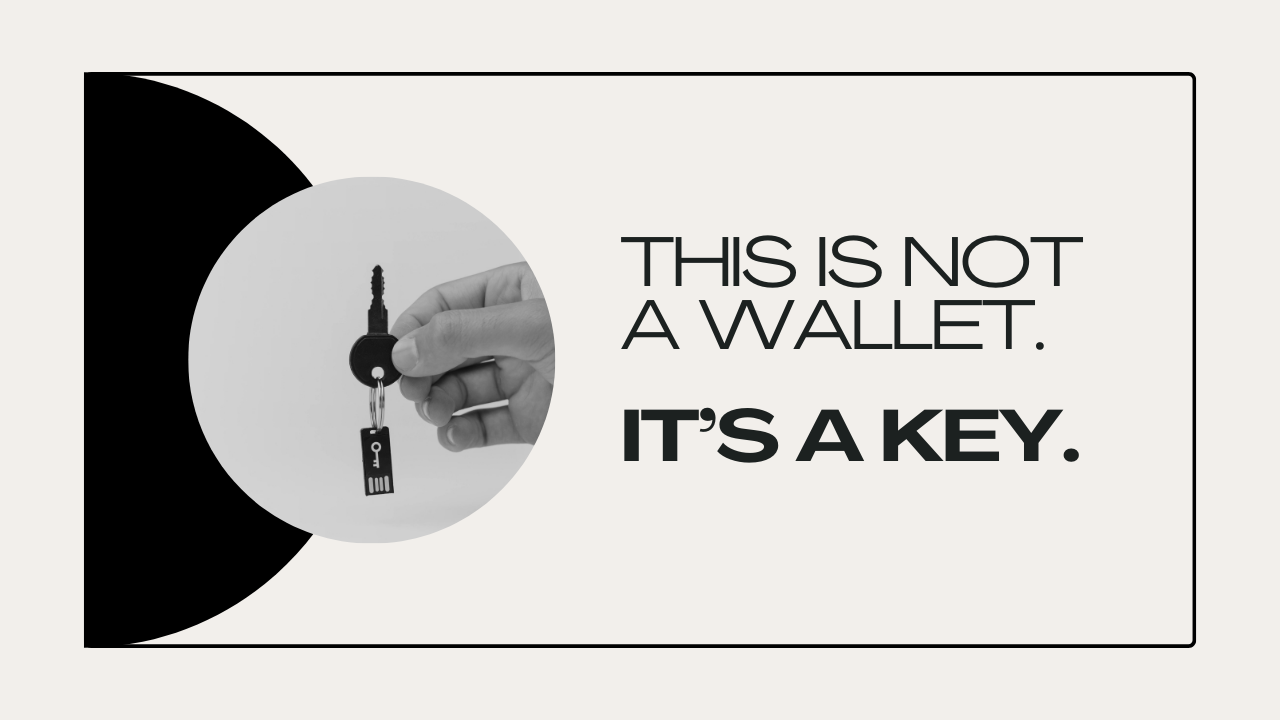 Why I Don’t Like the Term “Hardware Wallet” – Signing Devices and Keychains
 Hardware Wallets Comparison (Trezor, BitBox02, Ledger, Coldcard)
 The Self Custody Manual: A Practical Guide to Buying Bitcoin and Hardware Wallets
 Is Ledger a Hot Wallet? Analysis of the Recovery Service
 Self-Custody Explained – “Not Your Keys, Not Your Coins”
 Protect Your Seed Phrase (10 Tips to Secure your Crypto)
 The Byzantine Generals Problem – Simple Explanation
 5 Common Crypto Scams
 What is a Seed Phrase – BIP39 Standard Simply Explained